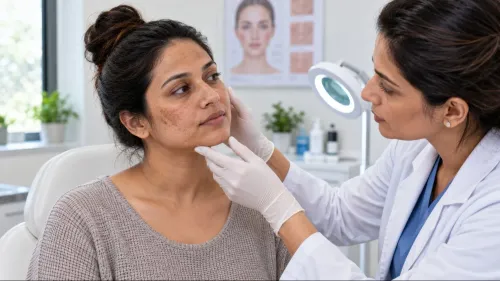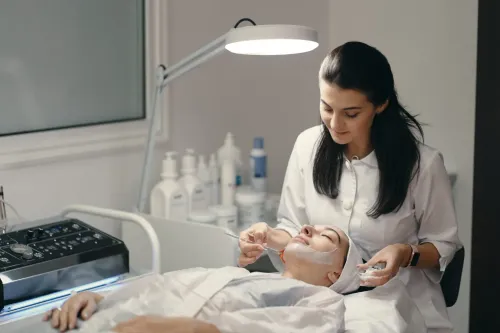
Choosing a Best Skin Care Clinic in Nashik should involve more than comparing before-and-after photographs or browsing a long menu of cosmetic procedures. Acne, pigmentation, sensitivity, and recurring skin problems can have different causes, and effective care begins with understanding what is happening to the skin.
A reliable clinic should therefore provide assessment before recommending treatment.
For acne, this means evaluating the type and severity of breakouts, presence of marks or scars, current products, previous medications, and factors that may be contributing to flare-ups.
Pigmentation requires similar care. Dark spots are not a single condition. Post-acne marks, sun-related pigmentation, melasma, and other causes may look similar to patients but may need different approaches.
Sensitive skin can be even more challenging because aggressive experimentation may worsen redness, burning, dryness, or irritation.
When comparing skin clinics, use a practical checklist:
- Is a qualified dermatologist involved in assessment?
- Does treatment begin with diagnosis rather than a package?
- Are your existing products reviewed?
- Are expected benefits and limitations explained?
- Are possible side effects discussed?
- Is aftercare provided for procedures?
- Are follow-up visits recommended when appropriate?
- Does the clinic avoid unrealistic guarantees?
Another useful indicator is whether the clinic is willing to recommend a simpler routine when that is sufficient. More products and procedures do not automatically mean better skincare.
Local conditions matter as well. People in Nashik, Maharashtra, may experience significant sun exposure, seasonal dryness, heat, dust, and changing humidity. These factors can affect daily skincare decisions, particularly sunscreen, moisturiser, cleanser, and active ingredient selection.
Dr. Shreeya, Consultant Dermatologist, provides dermatology care in Nashik for patients with skin and hair concerns. Clinical evaluation can help determine whether a problem needs prescription treatment, procedural care, skincare modification, or a combination of these measures.
Patients should also understand that many skin conditions improve gradually. Acne treatment may need time before changes become clearly visible. Pigmentation can require consistent sun protection alongside other treatment. Sensitive skin may need restoration of the skin barrier before stronger active ingredients are considered.
This is why continuity of care can matter more than frequently changing clinics or products.
When evaluating a skin care clinic, look for an approach that makes the treatment understandable. You should know what is being treated, why a product or procedure has been selected, how it should be used, and what changes should prompt a follow-up.
A suitable clinic is ultimately one where medical judgement, appropriate skincare, realistic expectations, and patient-specific planning take priority over one-size-fits-all treatment packages.
Keywords