Skin changes are easy to dismiss, particularly when they are painless. A rash may be blamed on weather, pigmentation may be treated with cosmetic products, and persistent itching may be managed with whatever cream is available at home. Yet some concerns are better assessed by a Skin Specialist Doctor in Nashik, especially when symptoms persist, recur, spread, or change.
One of the most common reasons to consult a dermatologist is acne that does not respond to basic skincare. Deep or painful acne can leave pigmentation and scars, making timely management particularly useful.
Persistent itching is another symptom worth investigating. It may occur with dry skin, dermatitis, allergy, infection, or several other conditions. Repeatedly applying combination creams without knowing the cause can sometimes alter the appearance of a skin problem and complicate treatment.
Other signs worth discussing with a dermatologist include:
- A rash that repeatedly returns
- Increasing facial or body pigmentation
- Persistent scaling or redness
- Recurrent fungal or other skin infections
- Sudden changes in skin texture
- Nail discoloration or structural changes
- Unexplained hair loss
- Persistent scalp itching or flaking
- A wound or lesion that does not heal normally
- A mole or spot that noticeably changes in size, shape, colour, or behaviour
Rapidly changing or bleeding skin lesions deserve timely medical assessment rather than cosmetic treatment.
For Nashik residents, everyday exposure to sunlight, heat, sweat, pollution, dust, and seasonal weather changes can influence skin comfort. However, assuming every rash is caused by heat or every dark patch by sunlight can delay identification of other causes.
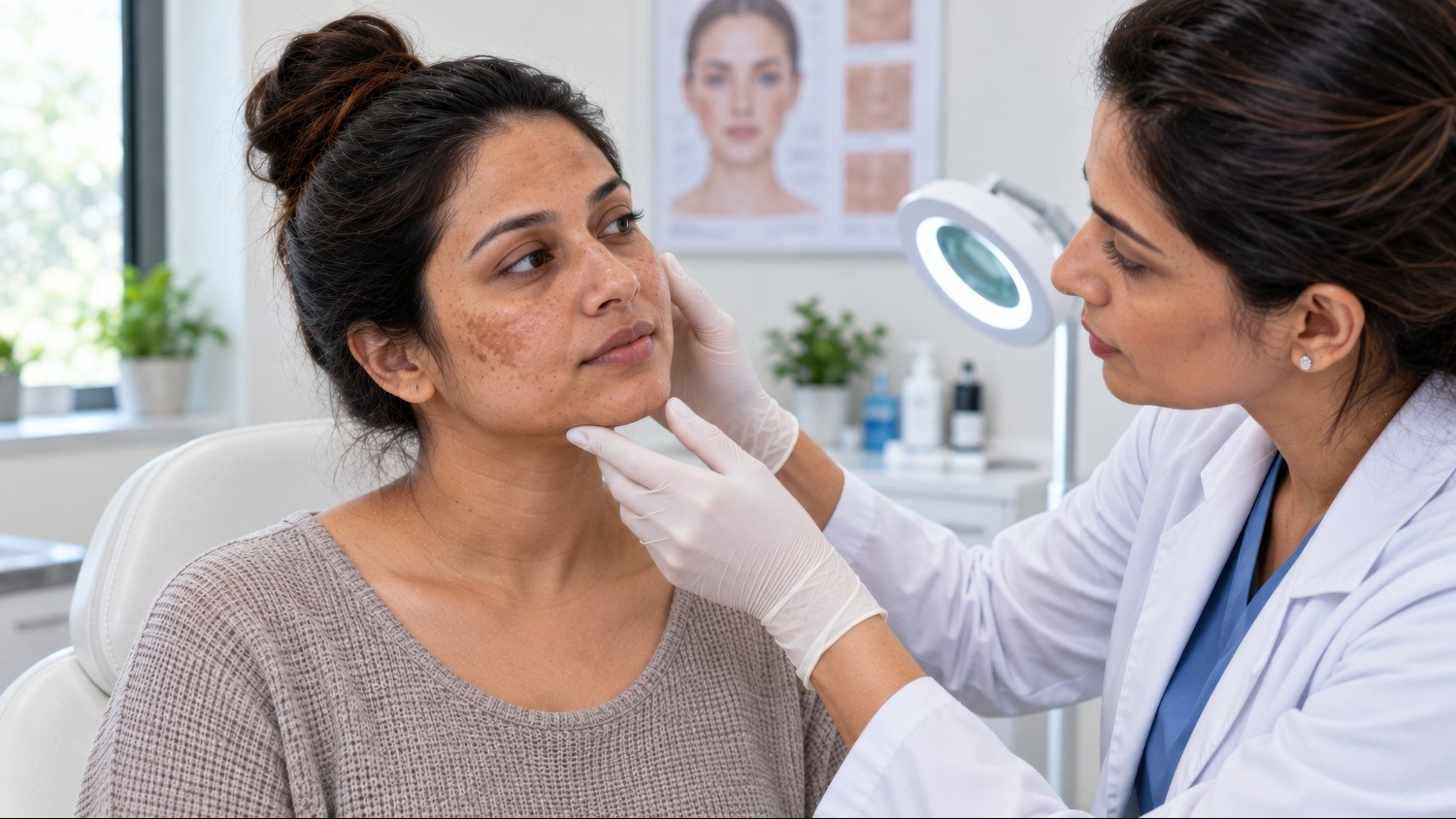
A dermatologist evaluates the appearance, distribution, duration, symptoms, and medical history associated with the condition. In some situations, further tests may be considered when the diagnosis is not clear from clinical examination alone.
Dr. Shreeya, Consultant Dermatologist, provides evaluation of skin and hair concerns in Nashik, Maharashtra. Treatment recommendations depend on the diagnosis and may include medicines, topical products, skincare adjustments, procedures, or monitoring.
Patients can make consultations more productive by avoiding unnecessary experimentation immediately beforehand. Bring details of creams, medicines, or cosmetic products already used. If a rash comes and goes, photographs taken during an active episode can provide useful information.
Skin treatment is not simply about making a visible symptom disappear. Understanding why it developed can be equally important, particularly for recurrent conditions.
If a skin change is persistent, painful, rapidly spreading, frequently recurring, or noticeably evolving, dermatological assessment can help determine what it is and what kind of management is appropriate.
Keywords