Laser treatments, skin rejuvenation procedures, hair therapies, and advanced acne management require more than access to modern equipment. Patient assessment, appropriate settings, infection control, aftercare, and medical supervision influence both safety and treatment experience.
When evaluating the best dermatologist in Nashik for a procedure, focus on how the clinic makes decisions. A responsible dermatologist should first determine whether the treatment is suitable instead of beginning with a package or fixed number of sessions.
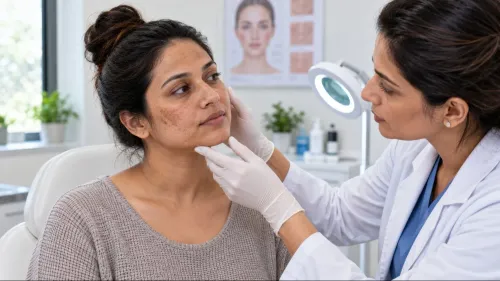
At Dr. Shreeya's SKIN 4You Clinic, procedure planning begins with an evaluation of the patient’s concern, medical history, skin characteristics, and expectations.
The Doctor Checks Whether You Are Suitable
Not every treatment is appropriate for every patient. A dermatologist may need to consider skin tone, active infections, allergies, pregnancy, current medication, recent sun exposure, tendency to develop scars, and previous procedures.
Treatment may be postponed when the skin is irritated, sunburned, infected, or actively inflamed. A recommendation to wait can be a positive sign because it shows that safety is being prioritised.
Alternatives Are Explained Clearly
A trustworthy dermatologist should be able to discuss more than one possible approach. For example, acne marks may be treated differently depending on whether they involve pigmentation, surface irregularity, or deeper scarring.
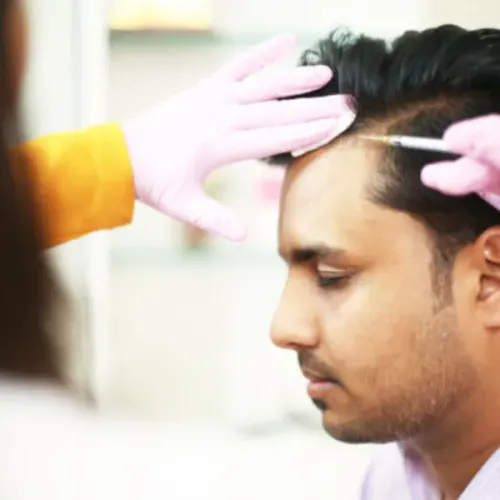
Similarly, unwanted hair may be managed through laser reduction, temporary removal methods, or hormonal evaluation when excessive growth has appeared suddenly. Hair loss may require medical therapy, scalp treatment, PRP, nutritional assessment, or a combination of measures.
Patients should understand why one option is more appropriate for their condition.
Expected Results Remain Realistic
Responsible dermatology care avoids promises of perfect skin, complete hair regrowth, permanent pigment removal, or guaranteed outcomes.
Before agreeing to a procedure, ask:
- What improvement can reasonably be expected?
- How many sessions may be considered?
- Is maintenance likely?
- What discomfort or downtime is possible?
- Which side effects should be reported?
- How will progress be documented?
- What happens if the response is limited?
Clear answers allow patients to make informed decisions without relying on before-and-after photographs alone.
Safety Measures Are Visible
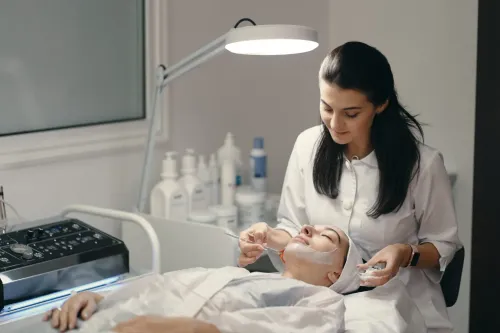
For laser procedures, protective eyewear, suitable skin preparation, device maintenance, appropriate cooling, and customised settings are important. A patch test may be recommended depending on the technology, treatment area, and skin type.
For injectable or scalp procedures, sterile technique and safe handling of materials matter. Patients should also receive written or clearly explained aftercare.
Follow-Up Is Part of the Plan
A procedure does not end when the patient leaves the clinic. The dermatologist should explain what is normal afterward and which symptoms require attention.
Nashik residents may need specific advice about sun exposure, outdoor travel, sweating, monsoon humidity, or dry winter conditions. Follow-up visits help the doctor review healing, assess results, and modify the next session when necessary.
Modern equipment can support good care, but it cannot replace clinical judgement. The best dermatologist is one who selects treatments carefully, communicates limitations honestly, follows safety protocols, and remains available throughout the treatment journey.
To discuss whether a dermatology procedure is suitable for you, book an assessment at Dr. Shreeya's SKIN 4You Clinic in Nashik.
Keywords