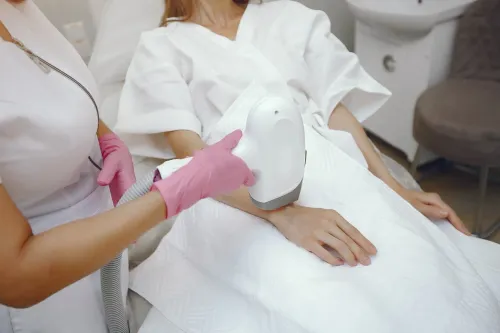
Skin tone, hair thickness, follicle depth, and treatment area can influence how unwanted hair responds to laser energy. Triple wavelength technology is designed to deliver three laser wavelengths within one hair-removal system, allowing treatment to address hair at different depths.
Interest in triple wavelength hair removal in Nashik has grown among people looking for a more customised approach to facial and body hair reduction. The technology may offer practical advantages, but results still depend on appropriate patient selection, correct settings, treatment consistency, and qualified supervision.
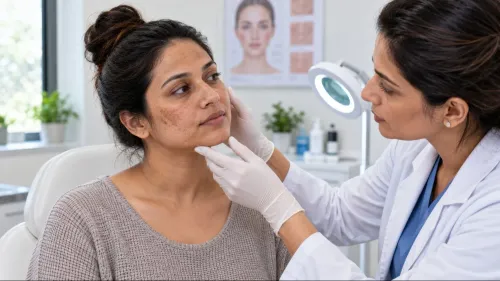
At Dr. Shreeya's SKIN 4You Clinic, skin and hair characteristics are assessed before a laser plan is considered.
What Does Triple Wavelength Mean?
A wavelength determines how laser energy travels through the skin and interacts with the hair follicle. Different wavelengths have different penetration depths and absorption characteristics.
A triple wavelength platform typically combines three commonly used laser ranges. Working together, they may target:
- Hair located at varying follicular depths
- Coarse hair in areas such as the underarms
- Hair across broader body areas
- Different combinations of skin tone and hair thickness
The presence of three wavelengths does not mean every patient receives identical settings. Parameters must be adjusted according to the person’s skin, hair, treatment area, and response.
How It Differs From a Single-Wavelength System
A single-wavelength device uses one primary laser range. It may work well when the patient’s skin and hair profile is suited to that technology.
A triple wavelength system combines multiple ranges in one applicator or platform. This can provide greater flexibility when treating areas containing a mixture of coarse, medium, and relatively finer hair.
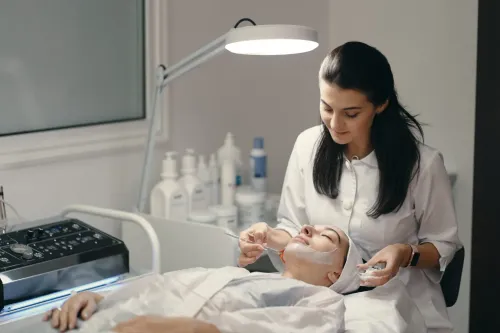
Technology alone does not determine safety or results. Device quality, cooling, operator knowledge, treatment intervals, and the accuracy of the initial assessment remain important.
What Triple Wavelength Treatment Cannot Do
The treatment is intended to reduce unwanted hair progressively. It cannot guarantee complete or permanent removal of every hair.
White, grey, very light blonde, or extremely fine hair may respond poorly because laser devices rely largely on pigment within the hair. Hormonal hair growth may also require ongoing management and maintenance sessions.
Patients should be cautious of promises such as complete hair removal in one sitting. Because hair grows in cycles, multiple sessions are generally necessary to treat follicles during their active phase.
Questions to Ask Before Starting
A well-informed patient should ask:
- Is the technology suitable for my skin tone?
- How will the settings be selected?
- Is a patch test recommended?
- How many initial sessions may be needed?
- What side effects are possible?
- What aftercare should I follow?
- Will maintenance sessions be required?
- Who will supervise the procedure?
These questions are more useful than selecting treatment based only on package price or promotional claims.
Local Treatment Considerations in Nashik
Sun exposure can increase the possibility of irritation or pigment changes when precautions are not followed. Nashik residents who travel frequently, work outdoors, or participate in outdoor activities should discuss their routine before beginning treatment.
Patients may be advised to avoid waxing or plucking between sessions because these methods remove the follicular target. Shaving may be permitted according to the dermatologist’s instructions.
Triple wavelength technology can be a suitable option for selected patients, but it should remain part of a medically assessed treatment plan. Proper intervals, customised parameters, sun protection, and post-treatment care influence the overall experience more than the device name alone.
Keywords