Hair shedding, widening part lines, bald patches, scalp scaling, and broken strands do not have one cause or one effective treatment. By matching the visible pattern and medical history to the right diagnosis, you can judge which benefits are realistic, which tests are useful, and whether a procedure, medicine, or trigger-focused plan fits your needs.
Key takeaways
- Sudden shedding often needs trigger-focused care, not immediate growth injections.
- A scalp diagnosis determines whether medicines, PRP, GFC, or another approach fits.
- Expect months of treatment, follow-up, and maintenance before judging results.
- Ask how the recommendation matches your diagnosis, evidence, risks, and total time commitment.
Start with the pattern: not every form of hair loss needs growth treatment
A widening part, receding temples, or thinning at the crown suggests pattern hair loss, while sudden shedding across the scalp often follows fever, infection, surgery, childbirth, major weight loss, stress, or a medication change by two to three months.
Smooth round patches point to alopecia areata; broken short hairs suggest heat, chemicals, or traction from tight hairstyles rather than follicle loss.
Itch, heavy flakes, redness, tenderness, or thick plaques can indicate dandruff, scalp psoriasis, or infection. Painful areas, eyebrow loss, pustules, a shiny scalp, or visible scarring need prompt examination because scarring alopecia can permanently destroy follicles.
- Record when the loss began, whether it is shedding or thinning, recent illness, diet or weight change, pregnancy, medicines, and hairstyle practices.
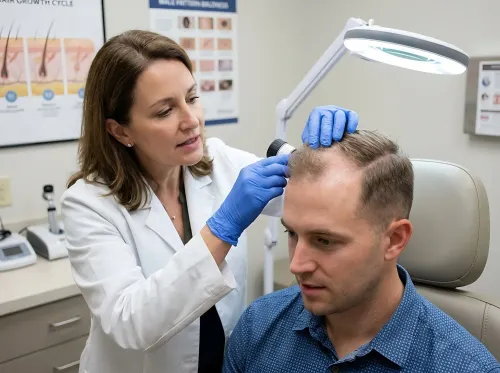
- Arrange a scalp examination, hair-pull test, and dermoscopy with a dermatologist. These distinguish active shedding, miniaturised follicles, inflammation, breakage, and scarring.
- Ask whether you need blood tests such as complete blood count, ferritin, thyroid-stimulating hormone, vitamin B12, or vitamin D; testing should match your history and examination.
- Choose treatment only after the diagnosis is clear. Hair loss management for telogen effluvium focuses on the trigger, alopecia areata needs autoimmune-directed care, and pattern loss may need ongoing medicines. Oral finasteride is for male pattern hair loss, not women who are or may become pregnant, and requires discussion of sexual or mood effects and drug interactions.
Hair growth treatment in Nashik should support a diagnosis, not replace one.
Diagnosis determines the benefit you can realistically expect
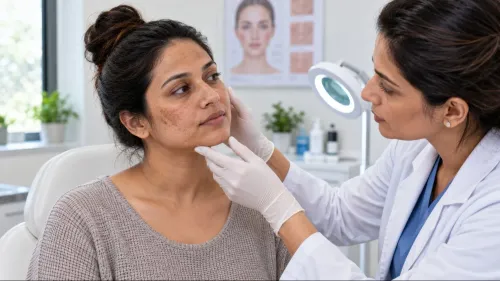
A diagnosis sets the ceiling for hair loss treatment in Nashik. Your doctor reviews when shedding began, recent fever or illness, weight change, stress, diet, medicines, family history, hairstyles, and scalp symptoms. The examination then separates active shedding from damaged or permanently lost follicles.
- A hair-pull test showing excess hairs coming out supports active shedding, such as telogen effluvium; treating the trigger can reduce loss, but it does not instantly increase density.
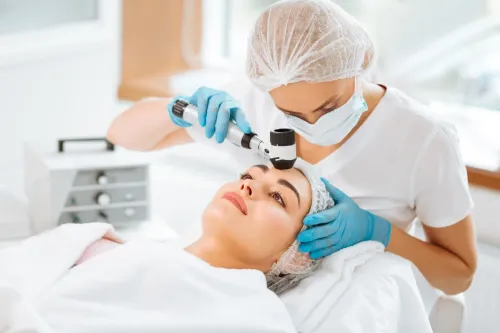
- Dermoscopy reveals miniaturised hairs, broken shafts, inflammation, scaling, yellow dots, or absent follicular openings. Miniaturisation supports pattern hair loss, while missing openings raise concern for scarring and permanent follicle destruction.
- A complete blood count, ferritin, thyroid-stimulating hormone, vitamin B12, or vitamin D test is chosen when your history and examination suggest anaemia, iron deficiency, thyroid disease, or a nutritional contributor. High-dose supplements without a deficiency are not a dependable treatment.
- Sudden smooth patches, eyebrow loss, pain, crusting, or marked scale require prompt assessment for alopecia areata, infection, psoriasis, or scarring alopecia. A scalp biopsy can confirm scarring inflammation when dermoscopy cannot settle the diagnosis.
A hair specialist doctor in Nashik should record baseline photographs and, where useful, dermoscopy images so change is measurable rather than judged from memory. The result may be reduced shedding, preserved native follicles, or regrowth of viable follicles; destroyed follicles cannot be revived.
Ask what finding supports the proposed treatment and when response will be reviewed.
Compare medicines, PRP, GFC, and trigger-focused care by diagnosis
An injection cannot correct every cause of hair loss. For anyone comparing hair growth treatment in Nashik, benefits depend on whether follicles are miniaturising, temporarily shedding, inflamed, infected, or permanently scarred.
| Option | Best fit | Benefit and limitation |
|---|---|---|
| Evidence-based medicines | Pattern hair loss; selected alopecia areata cases | Minoxidil can slow pattern loss and support regrowth but requires continuous use for months. Finasteride suits selected men under medical supervision; it is not appropriate for everyone. |
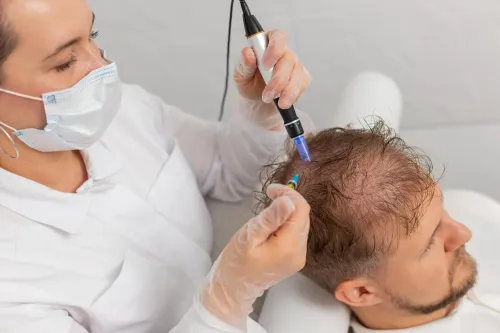
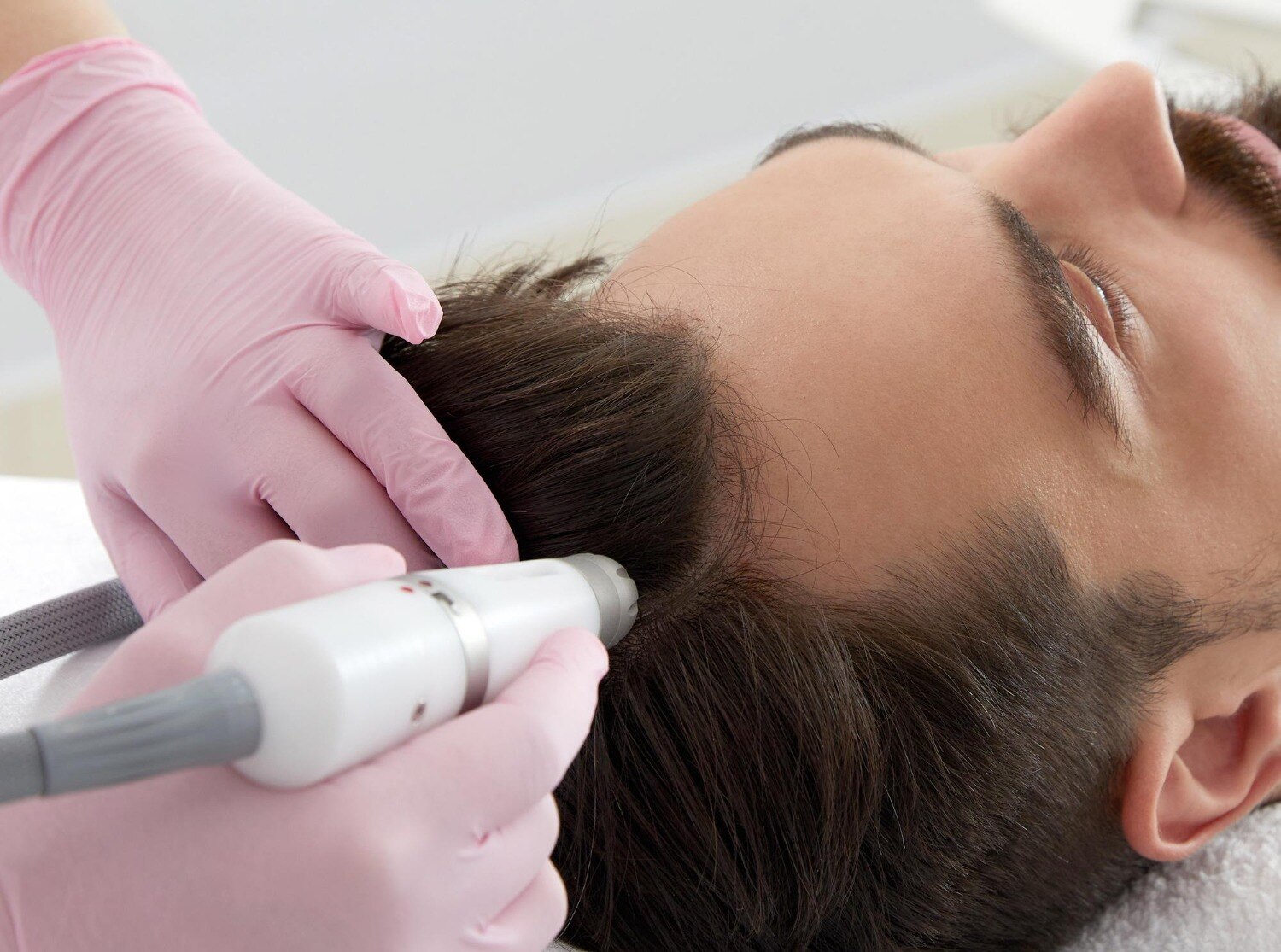
| PRP | Selected pattern hair loss with viable follicles | Uses platelet concentrate injected into the scalp. Results vary, it requires repeat sessions, and it does not treat iron deficiency, thyroid disease, infection, or scarring. |
| GFC | Selected non-scarring hair loss | Growth-factor concentrate may support follicles, but evidence is less established and protocols vary more than for approved medicines. Ask what product and outcome measurements are used. |
| Trigger-focused care | Telogen effluvium, deficiency, medication change, infection, inflammation, traction | Removing the trigger protects recovery. In scarring alopecia or active alopecia areata, anti-inflammatory treatment matters more than a cosmetic injection. |
PRP or GFC cannot revive follicles destroyed by scarring alopecia. Pain, scale, pustules, eyebrow loss, or shiny scalp skin needs prompt examination because delaying anti-inflammatory treatment can make hair loss permanent.
Hair loss management works best when treatment matches the diagnosis: correct documented iron or thyroid problems, stop damaging traction, treat scalp disease, and use medicines for pattern loss. Standardised photographs and dermoscopy help judge progress instead of relying on shedding from one week to the next.
How to judge whether a clinic recommendation fits your case
A suitable course begins with a named diagnosis, not a generic hair package. Ask the hair specialist doctor in Nashik whether your follicles are still capable of regrowth and whether the aim is to reduce shedding, slow patterned loss, treat inflammation, or restore a patch.
1. What findings support this diagnosis? Ask whether the examination included scalp inspection, a hair-pull test, dermoscopy, and a review of illness, weight loss, childbirth, medicines, stress, hairstyles, and family history.
2. Which tests are actually indicated? Request the reason for tests such as complete blood count, ferritin, thyroid-stimulating hormone, vitamin B12, or vitamin D. Do not start high-dose supplements without a documented deficiency; excess biotin can distort some heart and hormone test results.
3. Why this treatment instead of another? If PRP or GFC is proposed, ask what evidence applies to your diagnosis and when response will be measured.
For oral finasteride, ask about sexual and mood-related adverse effects, drug interactions, ongoing treatment, and pregnancy restrictions; it is approved for male pattern hair loss, not women who are or may become pregnant.
4. What would change the plan? Pain, scale, eyebrow loss, smooth shiny areas, or sudden patches require attention to inflammation, infection, or scarring before cosmetic procedures. Dr. Shreeya: Consultant Dermatologist should also explain the review date, standardized photographs or dermoscopy checks, and the next step if shedding continues.
Related services
Clinic Dermatology Hair Loss Management And Treatment Hair Loss Management And Treatment View service → |
Cosmetic Dermatology (Aesthetic Medicine) PRP and GFC for Hair Fall Treatment PRP and GFC for Hair Fall Treatment View service → |
Set expectations for time, maintenance, lifestyle, and limits
Expect a review point, not an instant change. Pattern hair loss usually needs several months before visible improvement, and topical minoxidil requires continuous use; stopping it commonly loses the benefit over time. A temporary increase in shedding can occur after starting.
Finasteride, when prescribed for eligible men, also requires ongoing use and a discussion of sexual or mood-related adverse effects.
| Concern | Effort and timeline | Realistic limit |
|---|---|---|
| Pattern hair loss | Apply or take treatment consistently; assess progress after several months with photographs or dermoscopy. | It can slow loss and thicken miniaturised hairs, but cannot recreate destroyed follicles. |
| Telogen effluvium | Find and correct the trigger; density returns gradually over the following months rather than immediately. | Hair growth treatment in nashik benefits include identifying the cause and preventing unnecessary procedures, not instant recovery. |
| Alopecia areata | Attend follow-ups because patches can change quickly and treatment response varies. | Regrowth is possible, but recurrence can occur. |
| Scarring alopecia | Prioritise rapid inflammation control and monitoring. | Once inflammation destroys follicles, treatment cannot restore hair from that scarred area. |
Your routine affects results: avoid tight hairstyles, harsh chemical processing, crash dieting, and unverified supplements. Good hair loss management means keeping appointments, reporting side effects, and repeating photographs under similar lighting. Seek assessment if shedding accelerates or the scalp becomes painful, scaly, shiny, or scarred; hair loss treatment in nashik cannot reverse permanent follicle destruction.
Frequently asked questions
Does every type of hair loss benefit from growth treatment?
No. Pattern hair loss may respond to growth-focused treatment, while sudden shedding after illness, childbirth, surgery, weight loss, stress, or medication changes requires assessment of the trigger first.
Why does diagnosis matter before choosing hair loss treatment?
Diagnosis identifies the type and cause of hair loss, which determines the likely benefit, suitable treatment, risks, and realistic timeline.
How do medicines, PRP, GFC, and trigger-focused care compare?
Medicines target the underlying pattern of hair loss, PRP and GFC use scalp injections, and trigger-focused care addresses causes such as illness, nutritional problems, or medication changes.
How long does hair growth treatment take to show results?
Hair treatment usually requires months of consistent care and follow-up. Your doctor should explain when to assess progress and whether maintenance treatment is needed.
How can you judge whether a clinic recommendation fits your case?
Ask for the diagnosis, the reason for the recommended treatment, expected benefits, risks, alternatives, treatment schedule, maintenance needs, and signs that the plan is not working.
Keywords