Nashik’s shifts between dry winter air, intense heat, dust, sweating and humid monsoon conditions can leave skin tight, flaky, oily, dull or irritated. You will be able to distinguish short-term hydration from treatment for eczema, acne, pigmentation or infection, decide when a medi facial is suitable, and prepare safely if you choose one.
Key takeaways
- Use a medi facial for surface dryness, dullness and mild congestion.
- Avoid facials on active rashes, infections, open wounds or severely inflamed acne.
- Choose medical treatment when symptoms persist, worsen or need diagnosis.
- Prepare with gentle skincare and judge results by comfort, not instant brightness.
How Nashik’s Weather Changes Affect Your Skin
Nashik’s weather can shift skin from tight and flaky to shiny and congested. Dry winter air and dust pull water from the skin, while summer heat increases sweating, oil production and friction. During the monsoon, humidity holds sweat and oil on the surface, encouraging dullness, blocked pores and irritation.
Increased sun exposure adds tanning, uneven pigmentation and a rougher-looking surface, including on cloudy monsoon days. Repeated washing, harsh scrubs and skipping moisturiser can damage the barrier further, so the skin may sting after products that previously felt comfortable.
Simple seasonal discomfort usually causes mild tightness, temporary flaking or oiliness that improves within days after gentle cleansing, a fragrance-free moisturiser and broad-spectrum SPF 30 or higher. A facial treatment for seasonal skin should wait until you know what is causing the change.
Seek a dermatology assessment when you notice:
- Persistent redness, burning or itching
- Cracked skin, swelling, oozing or painful peeling
- New acne that continues despite basic care
- Ring-shaped or spreading patches
- Recurrent flushing or sensitivity to water and skincare
These patterns can indicate irritant dermatitis, allergic contact dermatitis, eczema, acne, rosacea or a fungal infection rather than ordinary weather discomfort. Exfoliating an inflamed rash can worsen it. A medi facial may briefly smooth healthy, dehydrated skin, but it does not repair a damaged barrier or treat an underlying skin condition.
What a Medi Facial Can Do for Weather-Related Skin Problems
A medi facial for treatment during weather changes in Nashik can give short-term hydration, smoother texture and a fresher appearance when your skin is otherwise healthy. It does not repair a damaged skin barrier or treat every seasonal rash.
- Tightness: Hydrating products can reduce the uncomfortable, stretched feeling for a few days.
- Surface flaking: Gentle cleansing and moisturising can loosen loose scales; aggressive exfoliation can worsen irritation.
- Dullness: Mild exfoliation may improve surface brightness, but the effect is temporary.
- Excess oil: Cleansing can remove sweat and surface oil without correcting the cause of recurring oiliness.
- Tanning: A facial may make tanned skin look brighter, but it cannot permanently remove sun-induced pigmentation. Broad-spectrum sunscreen with SPF 30 or higher remains essential, including during cloudy or monsoon weather.
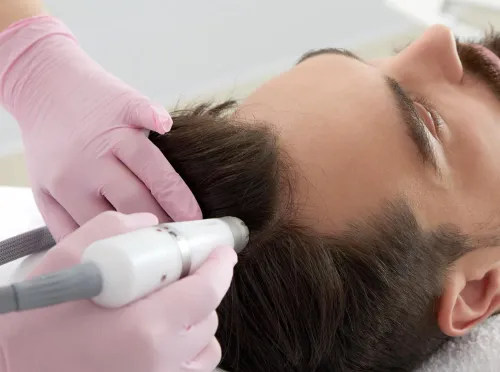
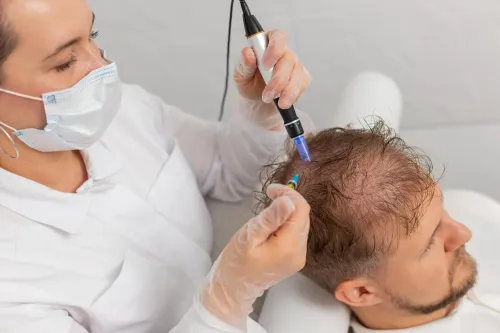
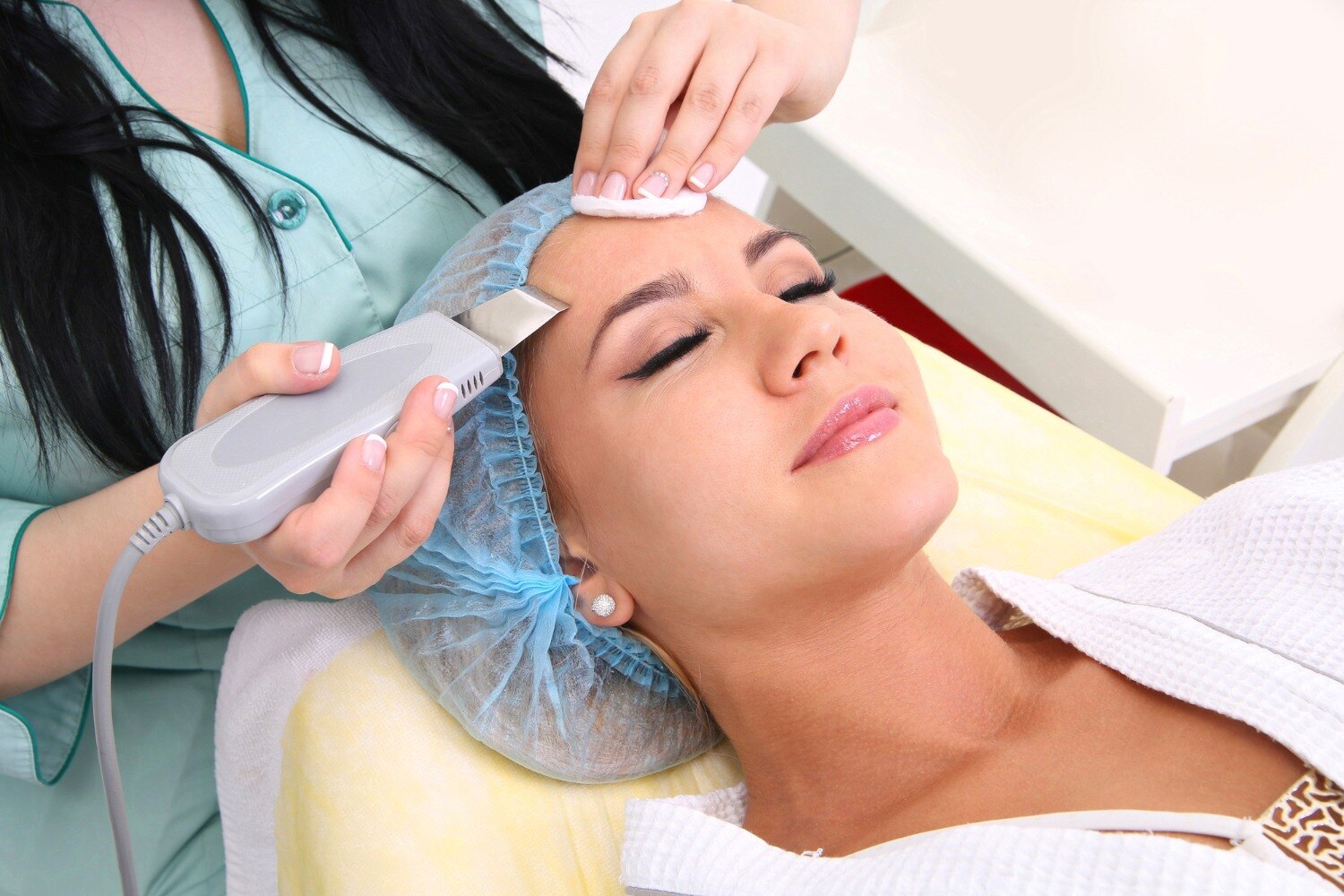
A medi facial for dry skin usually begins with a skin assessment, followed by cleansing, gentle exfoliation, optional extraction, and a hydrating infusion or moisturising step. Clinics may add a mask, light chemical peel, Hydrafacial-style hydradermabrasion, LED treatment or microneedling.
“Medi facial” has no single standard formula, so ask exactly which acids, devices and products will touch your skin.
For persistent flaking, redness, burning or recurring bumps, moisturiser-based barrier care or diagnosis-led treatment is more useful than repeated facials. Conditions such as eczema, contact dermatitis, acne and fungal infection need different treatment.
When a Medi Facial Is Helpful—and When It Can Irritate Skin
A medi facial is most suitable for otherwise healthy skin with tightness, mild dryness, surface flaking, dullness or temporary oiliness, not for an undiagnosed rash. A medi facial for dry skin should use gentle cleansing, glycerin, ceramides or petrolatum rather than scrubs, strong acids, alcohol-heavy products or very hot water.
| Skin situation | Medi facial decision | Reason |
|---|---|---|
| Healthy, mildly dry or dehydrated skin | Consider it | Hydration and gentle surface smoothing may improve comfort temporarily |
| Mild oiliness or dullness without redness | Consider gentle treatment | Cleansing may reduce surface oil, but it will not permanently treat acne or enlarged pores |
| Eczema, active acne or urticaria | Postpone | Exfoliation, extraction and fragranced products can intensify inflammation or itching |
| Sunburn or rosacea-like redness | Postpone | Heat, acids and rubbing can increase burning, swelling and prolonged redness |
| Peeling, cracking or a damaged skin barrier | Postpone | Removing surface skin increases water loss and delays barrier repair |
Choose a facial treatment for seasonal skin only after checking whether the problem is simple dryness, irritant dermatitis, allergic contact dermatitis, rosacea, acne or fungal infection. These conditions can look alike; exfoliating the wrong one can worsen it.
Wait until active redness, burning, itching, swelling or peeling has settled, and seek a dermatology assessment when symptoms persist. A clinic “brightening facial” is not risk-free: peels can cause irritation, pigment changes, swelling, infection or scarring. Hydration is a short-term benefit, not a cure for chronic disease.
How a Dermatologist Chooses Between a Facial and Medical Treatment
A dermatologist chooses by diagnosis and skin-barrier condition, not by the calendar or the word “medi.” Active burning, redness, itching, peeling or swelling points towards medical care or no procedure, while comfortable skin with temporary dullness or tightness may suit a superficial treatment.
1. Moisturiser-based care comes first when dryness or tightness follows weather, washing, dust or sweating without a defined rash. A gentle cleanser, fragrance-free moisturiser and broad-spectrum sunscreen can restore the barrier without procedure-related irritation.
2. A medi facial treatment in Nashik or Hydrafacial may suit healthy, intact skin needing short-term cleansing, hydration or surface smoothness. Ask exactly what “facial” includes: acids, extraction, hydradermabrasion, masks, LED or microneedling. A treatment labelled medical is not automatically uniform or risk-free.
3. A peel is considered only after checking peel depth, acid concentration, contact time, recent sun exposure and your skin’s tendency to develop dark marks. Redness, irritation, swelling and pigment changes can follow; deeper injury can cause scarring or infection.
4. Pigmentation, melasma, persistent tanning, acne, enlarged pores or scars need a diagnosis-led plan. Cleansing and hydration alone will not permanently remove them, so treatment may involve sunscreen, medicines or staged procedures over weeks or months.
5. Eczema requires eczema treatment, not exfoliation over an inflamed barrier. No procedure is the correct choice during an active flare or unexplained rash.
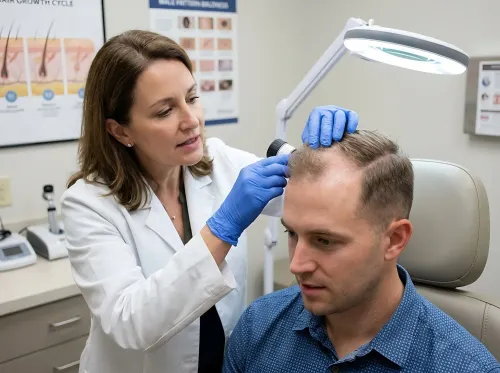
At a skin clinic in Nashik, Dr. Shreeya: Consultant Dermatologist can match the option to your diagnosis and review who performs it, the devices and products used, whether treatment is superficial or ablative, aftercare and expected complications.
Related service
Cosmetic Dermatology (Aesthetic Medicine) Medi-Facials & Hydrafacial View service → |
How to Prepare and Judge Whether Treatment Is Worth It
The safest preparation is to disclose anything that changes healing or irritation risk before booking a medi facial treatment in nashik:
- Isotretinoin, prescription retinoids, antibiotics, blood thinners or steroid creams
- Pregnancy or breastfeeding
- Keloid scars, cold-sore history, allergies and sensitive-skin reactions
- Waxing, laser treatment, sunburn or another peel in the preceding days or weeks
- Current redness, burning, itching, open sores, active acne or a spreading rash
Do not stop prescribed medicine without medical advice. Postpone exfoliation, extraction or peels while your skin is inflamed; treating eczema, infection or allergic dermatitis as “dryness” can worsen it.
At a skin clinic in nashik, ask who performs each step, which acids, serums, devices and concentrations are used, whether the procedure is superficial or ablative, and what complications require help.
Ask, “What diagnosis are you treating, and what result should I expect after one session?” If the answer is permanent removal of acne, melasma or scars from cleansing and hydration alone, reconsider.
| Option | Reasonable expectation | When to choose |
|---|---|---|
| Hydration-focused facial | Temporary softness and reduced tightness | Intact, mildly dry skin |
| Exfoliating facial | Short-term smoothness or brightness | No redness, peeling or barrier damage |
| Medical treatment | Diagnosis-led improvement over weeks or months | Acne, melasma, eczema, rosacea or infection |
Afterward, use the advised gentle cleanser, moisturiser and broad-spectrum sunscreen. Avoid scrubs, retinoids, heat, intense sun and swimming until the clinician’s timeframe ends. Judge a medi facial for treatment during weather changes in nashik by comfort, safety and a realistic plan—not by the word “medi.”
Frequently asked questions
How do Nashik weather changes affect your skin?
Dry winter air can increase tightness and flaking, while summer heat raises sweating, oil and friction. Monsoon humidity can leave sweat and oil on the skin, contributing to dullness, blocked pores and irritation.
When is a medi facial helpful for seasonal skin?
A medi facial can help with surface dryness, mild congestion, dullness and temporary discomfort when the skin barrier is intact and no active skin disease needs treatment.
When can a medi facial irritate skin?
Avoid treatment over active rashes, infections, open wounds, severe inflammation or freshly sunburned skin. Exfoliation and strong products can worsen a damaged skin barrier.
How does a dermatologist choose between a facial and medical treatment?
A dermatologist assesses the cause, severity and duration of your symptoms. Persistent acne, eczema, dermatitis, infection, severe itching or hair and nail changes require diagnosis and medical treatment rather than a cosmetic facial.
How should you prepare for a medi facial and judge its value?
Use gentle cleanser and moisturiser before treatment, disclose allergies and current medicines, and avoid adding new actives. Judge the result by reduced tightness, irritation or congestion rather than short-term brightness.
Keywords