Choosing a hair-treatment clinic requires more than comparing a PRP or GFC package price. You will learn how to check the diagnosis, compare preparation methods and alternatives, assess safety, and select a Nashik dermatologist who can measure results honestly.
Key takeaways
- Diagnose the cause of hair loss before booking PRP or GFC.
- PRP and GFC use different preparation and injection protocols.
- Ask about the dermatologist’s follow-up schedule and outcome measurements.
- Treat iron, thyroid or illness-related shedding before considering injections.
Start with the diagnosis, not an injection package
PRP or GFC is suitable only after identifying why your hair is thinning. The strongest candidates usually have androgenetic alopecia, where follicles are miniaturising but not permanently destroyed. Diffuse shedding from recent illness, childbirth, rapid weight loss, iron deficiency or thyroid disease needs its cause treated first, not an injection package.
A proper assessment includes:
- Scalp examination for scaling, redness, pustules, pain, broken hairs and smooth bald patches.
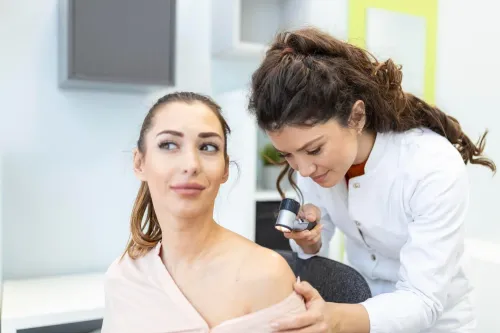
- Trichoscopy to assess follicle openings, shaft thickness and signs of scarring.
- Medical history, medication review and questions about family-pattern loss, stress, diet and recent illness.
- Blood tests such as complete blood count, ferritin and thyroid-stimulating hormone; vitamin B12, vitamin D or hormone tests apply when your history indicates them.
Alopecia areata, traction alopecia and scarring alopecia require different treatment. Active scalp infection, untreated scarring, uncontrolled medical causes, platelet disorders, bleeding disorders or anticoagulant use can make injections unsuitable. Sudden, rapidly worsening loss needs diagnosis before any procedure.
PRP and GFC are not interchangeable labels. Ask what the clinic prepares, how it is processed, whether it is made for you at that visit, and what evidence supports that exact protocol. Both are usually adjuncts, not permanent cures, and androgenetic alopecia often needs continuing treatment.
Choose the best skin specialist in Nashik by checking diagnosis, alternatives and follow-up—not price alone. Request baseline and follow-up scalp photographs taken with the same lighting, angle and hair length; changing hairstyles can create a false impression of growth.
PRP and GFC are different protocols, not interchangeable labels
PRP uses your own blood, processed to concentrate platelets in plasma before scalp injections. GFC uses a separate processing method intended to collect growth factors from autologous blood; “growth factors” alone does not identify the dose, preparation, or clinical effect. Neither label guarantees superior regrowth.
| Option | What is prepared | How to compare it |
|---|---|---|
| PRP | Platelet-rich plasma, with concentration, activation, injection depth and session interval varying by protocol | Ask for the platelet method, number of sessions and outcome evidence |
| GFC | A growth-factor concentrate produced by a named, clinic-specific method | Ask for the exact product, same-visit preparation, sterility controls and evidence for that protocol |
| Established treatment | Minoxidil and, for suitable patients, prescription options such as finasteride | Compare diagnosis, contraindications, expected benefit, maintenance and long-term evidence |
Compare PRP treatment in Nashik or GFC hair treatment in Nashik with medical therapy on those dimensions, not on package price or claims that one is “advanced.” GFC evidence is less established than the broader PRP literature; superiority requires a peer-reviewed comparative study using the same preparation and injection protocol.
For androgenetic alopecia, injections usually supplement treatment rather than permanently cure it. Ask what happens after stopping, when progress will be measured, and whether stable areas with irreversible loss require a transplant assessment. Standardized photographs under identical lighting, hair length and camera position provide a fairer comparison than memory or a changed hairstyle.
What happens before, during and after a hair injection session
Expect the appointment to begin with diagnosis and consent, not a sales pitch. During consultation, the dermatologist should examine your scalp, review shedding duration, illnesses and medicines, and use trichoscopy when needed. Blood tests such as complete blood count, ferritin or thyroid-stimulating hormone apply when your history suggests an underlying cause.
1. Preparation: Tell the clinic about anticoagulants, bleeding disorders, platelet problems, allergies and scalp infection. Do not hide supplements or medicines. The clinician should explain the exact PRP or GFC protocol, expected sessions, alternatives, possible non-response, total cost and reassessment date.
For GFC hair treatment in Nashik, ask for the product name, preparation method, same-patient collection, sterility controls and single-use equipment.
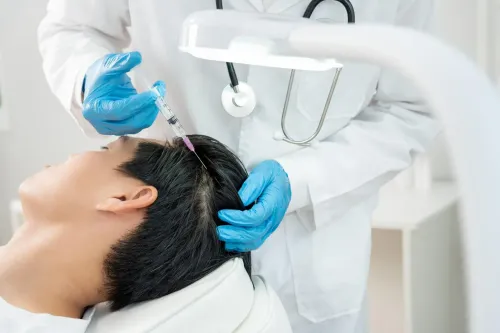
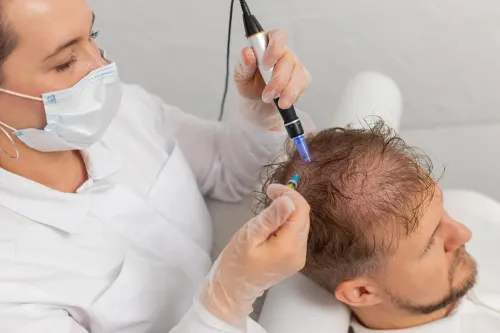
2. Injections: For PRP, staff draw your blood, process it and inject the prepared plasma into selected scalp areas. GFC follows a different preparation protocol, so “growth factors” alone does not identify its dose or evidence.
The scalp is cleaned and numbing cream or local anaesthetic may reduce discomfort; multiple small injections can still sting or cause pressure.
3. Recovery and monitoring: Mild tenderness, redness, swelling or pinpoint bleeding can last one to three days. Follow the clinic’s instructions about washing, exercise and hair products, and contact them for spreading redness, pus, fever, severe pain or persistent bleeding.
Attend reassessment with photographs taken under the same lighting and hair length; one session cannot guarantee regrowth.
How to compare Nashik dermatologists, fees and follow-up
A high fee does not prove that you found the best skin specialist in Nashik. No independent ranking can identify one doctor for every type of hair loss, so ask for evidence of qualification, diagnosis and follow-up before paying.
Ask these questions during the consultation:
- Are you an MBBS doctor with MD or DNB training in Dermatology, Venereology and Leprosy, and can I see your registration details?
- What diagnosis do you see after scalp examination and trichoscopy? Do I need tests such as complete blood count, ferritin or thyroid-stimulating hormone?
- What exactly will this fee include, and how many sessions, injections, reviews and medicines are covered?
- For GFC, what is the product’s exact name, preparation method, dose, same-patient processing, storage and single-use safety procedure?
- How will you measure progress? Request scalp photographs under the same lighting, camera distance and hair length.
- What happens if I stop treatment, see no improvement, or need treatment for scarring alopecia or permanent loss?
| Quote item | Transparent answer | Warning sign |
|---|---|---|
| Protocol | Number of sessions, interval and injection method | “One package” without details |
| Preparation | PRP method or exact GFC product and processing steps | “Growth factors” as the only description |
| Follow-up | Review date, outcome measure and next-step plan | No scheduled assessment |
A clinic comparing PRP and GFC with medicines, correction of deficiencies or transplantation is giving you a decision, not just a package. Dr. Shreeya: Consultant Dermatologist should document those alternatives and the plan in your records. That standard matters more than searching for the phrase best skin specialist in Nashik for PRP hair treatment.
Related services
Cosmetic Dermatology (Aesthetic Medicine) PRP and GFC for Hair Fall Treatment PRP and GFC for Hair Fall Treatment View service → |
Clinic Dermatology Hair Loss Management And Treatment Hair Loss Management And Treatment View service → |
How results are measured—and when injections are the wrong tool
Take baseline scalp photographs before treatment and repeat them at the same angle, lighting, distance and hair length. Record shedding, hair density and trichoscopy findings; changing hairstyles can create the illusion of regrowth. Reassess around three months, then judge the trend at six months rather than after one injection.
Realistic gains include less shedding, thicker existing hairs and modest density improvement. PRP or GFC cannot reliably restore long-standing loss where follicles have been destroyed, and neither is a permanent cure for androgenetic alopecia. A consent discussion should cover non-response, maintenance, continued medical treatment, total sessions, cost and whether transplantation fits stable, irreversible loss.
For anyone comparing gfc hair treatment in nashik, ask for evidence supporting that clinic’s exact preparation, dose and schedule—not “growth factors” as a label.
Choose diagnosis and treatment before injections when you have:
- Sudden or patchy loss, eyebrow loss, scalp pain, scaling or redness, which can signal alopecia areata, infection or scarring alopecia.
- Active scalp infection or untreated inflammation.
- Uncontrolled thyroid disease, iron deficiency, nutritional deficiency or another medical cause.
- A bleeding disorder, platelet disorder or anticoagulant use requiring medical review.
- No improvement after the agreed reassessment point; repeat examination, trichoscopy or blood tests may be more useful than another session.
Frequently asked questions
Why should diagnosis come before PRP or GFC hair treatment?
Hair thinning from androgenetic alopecia differs from shedding caused by illness, childbirth, weight loss, iron deficiency or thyroid disease. Treat the underlying cause before injections when one is identified.
Are PRP and GFC hair treatments interchangeable?
No. PRP and GFC are different protocols with different preparation methods, so compare the exact procedure rather than relying on the label alone.
What happens before, during and after a hair injection session?
A dermatologist reviews your history and scalp, confirms the likely diagnosis, explains preparation and injections, then provides aftercare and follow-up instructions to assess progress.
How should you compare Nashik dermatologists, fees and follow-up?
Compare the diagnosis process, clinician qualifications, exact protocol, total planned sessions, fee inclusions, injection technique and the follow-up schedule.
How are PRP and GFC results measured, and when are injections the wrong tool?
Use consistent photographs, hair-density assessments and shedding changes over time. Injections are the wrong first step when an untreated medical cause explains the hair loss or follicles have been permanently destroyed.
Keywords